
The Digital Drain: How Phones Are Harming Focus and Learning
Research shows that phones reduce attention, increase anxiety and weaken memory. Phone-free spaces are the answer.

What the research shows
Even when a phone is face-down, its mere presence divides attention. Studies in education psychology have shown that students in phone-free classrooms score higher on recall tests, participate more and report lower anxiety.
The real cost of connectivity
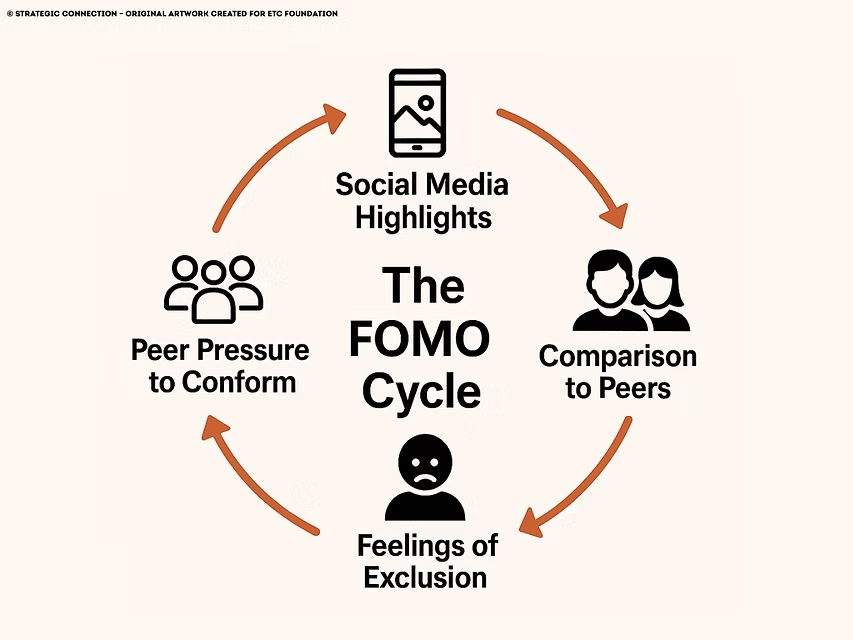
The cost of constant connectivity is not just distraction. Notifications interrupt deep work, social media increases comparison and sleep loss, and the habit of checking becomes harder to break the younger it starts.
Phone-free is not anti-technology
Schools and venues that create phone-free environments are not being anti-technology. They are protecting focused time for learning, conversation and experience. The best phone policies are clear, consistent and respectful.
Why a physical lock works
PhoneLock was created to make phone-free spaces practical. A physical lock removes the temptation to check, while still letting the owner keep their device nearby. This balance is why acceptance rates are high among students, audiences and employees.
Next step
For schools and venues looking to improve focus and wellbeing, a phone-free policy supported by PhoneLock pouches is a proven step forward.

Frequently asked questions
- Do phones reduce learning even when turned off?
- Yes. Research shows the presence of a phone can reduce working memory and attention, even if it is not being used.
- What is the best way to create a phone-free environment?
- A clear policy combined with a simple physical barrier like a phone locking pouch is the most effective and accepted approach.
Need help with phone-free spaces?
Contact PhoneLock for a free consultation, sample pack or quote for your school, venue or event.